A smile is one of the most powerful tools people use in their social interactions. It is not only an expression of sincerity, but also a reflection of self-confidence and positive energy. Smile design, which makes your smile look more attractive and healthy, is an important concept brought by modern dentistry.

What is Smile Design?
Smile design is a process in which dentists create a perfect smile by combining aesthetic concerns and health requirements. In this process, facial features, the shape, size, color and general oral structure of the teeth are taken into account. Smile design offers personalized solutions by emphasizing the unique features of each individual.
Applied Dental Treatments
During the smile design process, various dental treatments are applied depending on the patient’s needs and goals. These may include:
- Tooth Whitening: It is a treatment method used to lighten the color of the teeth and achieve a whiter appearance.
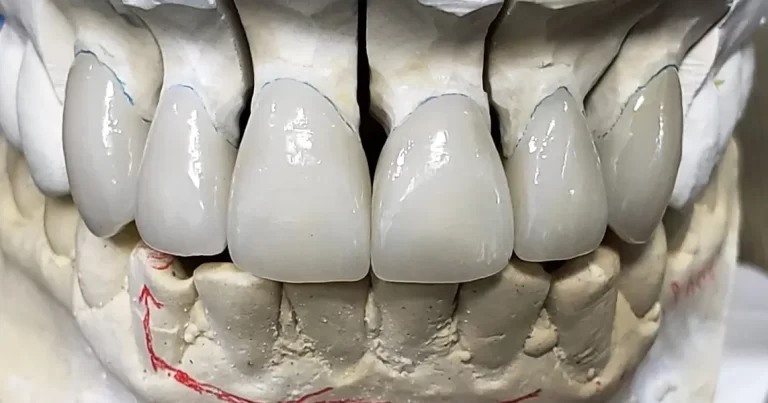
- Porcelain Lamina Veneers: These are thin porcelain veneers applied to the front teeth to provide an aesthetic appearance.
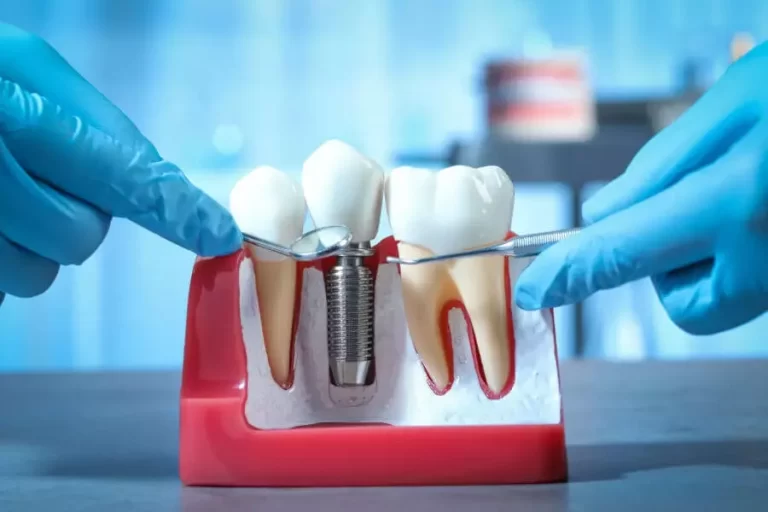
- Dental Implants: It is a permanent and robust solution used to replace missing teeth.
- Dental Fillings: Filling materials used for the treatment of tooth decay fill the cavities and restore the tooth structure.
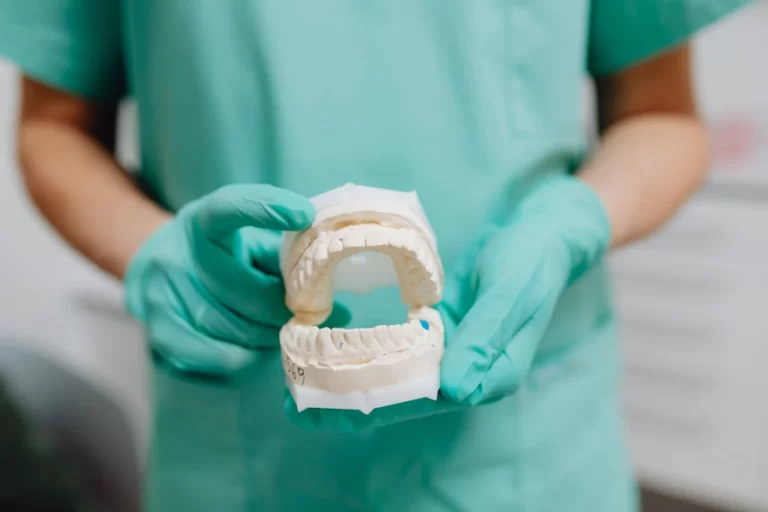
- Dental Prostheses: These are fixed or removable prostheses used to replace missing teeth.
- Dental Extractions: It is a treatment method applied when damaged or decayed teeth need to be extracted.
- Orthodontic Treatments: These are treatments with appliances or plates used to straighten teeth and correct crowding.
- Gingival Surgery: These are surgical procedures applied for improving gum health, treatment of gum diseases and gum correction for aesthetic purposes.
These treatments are used in the smile design process to help improve the patient’s smile and achieve an aesthetic appearance.
Steps of Smile Design
- Personal Assessment: The smile design process begins with an individual assessment. The dentist listens to the patient’s wishes, examines the oral structure and assesses the current dental health.
- Aesthetic Analysis: Factors such as facial features, length of teeth, symmetry and color are analyzed. This step forms the basis of smile design.
- Treatment Planning: Based on the data obtained, a patient-specific treatment plan is created. Different methods such as teeth whitening, porcelain lamina veneers, dental implants can be included in the plan.
- Dental Procedures: Necessary dental procedures are performed in line with the treatment plan. Steps such as caries treatments, tooth extractions or prosthesis applications may take place.
- Final Touches Smile design is not only limited to teeth. Gum aesthetics is also important. When necessary, gum correction or reshaping can be performed.
- Periodic Controls: After the treatment is completed, the results are followed up with regular controls. These controls ensure that your smile remains healthy and aesthetic for a long time.
Advantages of Smile Design
- It boosts your self-confidence and gives you a more positive outlook.
- It has a positive impact on personal and professional relationships.
- It addresses aesthetic concerns while correcting dental problems.
- It provides a natural look by creating a smile in harmony with facial features.
Smile design is an important branch of modern dentistry that combines aesthetics and functionality. Individual treatment plans are created according to the needs of individuals for a healthy and attractive smile. Remember that every smile is a reflection of a story unique to you.
If you want to take steps for a more perfect smile, you can make an appointment with our experienced dentist Sinem Yavuz.